How to Tell If Your Indianapolis Home Has Proper HVAC Ventilation
Published: 2026-04-28 · By ProTrust AC Repair and Installation
As winter yields to spring in Indianapolis, homeowners may find themselves experiencing unexpected temperature swings inside their homes. While we cherish the warmer months ahead, they can expose hidden flaws in our HVAC systems. Proper ventilation is critical, but how can you tell if your home is achieving optimal airflow? Let’s explore a few key indicators that will help you assess the effectiveness of your HVAC ventilation.
Why This Matters for Indianapolis Homeowners
A well-ventilated home is essential for maintaining comfort and energy efficiency, especially in Indianapolis where temperatures can fluctuate widely between seasons. Improper ventilation can lead to stagnation, allowing indoor pollutants and moisture to build up. This, in turn, creates an environment conducive to mold growth, negatively impacting indoor air quality. Furthermore, high humidity levels can result in increased cooling costs during hot summers, as the HVAC unit works harder to compensate.
The Indiana State Department of Health emphasizes the importance of good indoor air quality, urging homeowners to be vigilant. Lackluster ventilation can also affect the longevity of your HVAC system. When airflow is restricted, your system runs inefficiently, leading to premature wear and potentially costly repairs. Homeowners who ignore these signs may face unexpected breakdowns just when they need their HVAC the most.
Tip: Regularly check and clean vents, as blocked airways can severely limit airflow.
Expert Solutions & Actionable Tips
1. Check for Moisture and Condensation
Moisture buildup around your vents could indicate insufficient ventilation. If you notice condensation or damp patches, especially in corners, it’s a red flag. To mitigate the issue, consider placing a dehumidifier in affected areas. These devices cost between $50 and $300, depending on capacity and features.
In Indianapolis, where humidity can rise significantly in summer months, monitoring moisture levels is crucial. If the humidity is over 60%, your HVAC system may struggle to maintain comfort levels, indicating a need for better ventilation solutions.
2. Inspect Ductwork for Damage
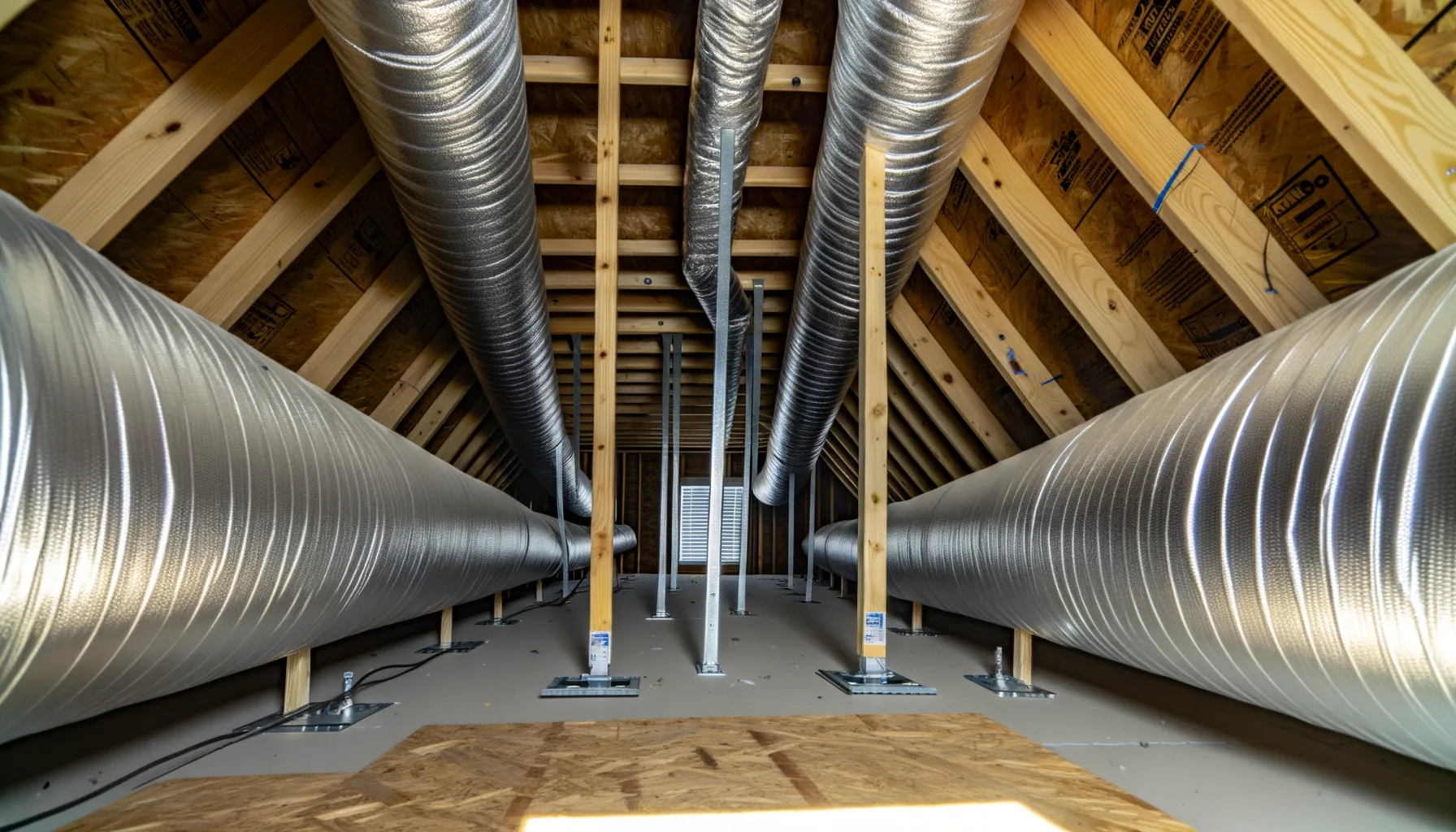
Leaky or damaged ducts severely affect airflow and can lead to energy loss. With the average cost of duct repair ranging from $300 to $600, it’s essential to perform regular inspections. If you hear whistling noises while your system is running, this could indicate holes or leaks within the ducts, lessening their efficiency.
In older Indianapolis homes, deteriorating ducts can be a common issue due to wear and tear over time. Catching these problems early can save both energy expenses and stress.
3. Evaluate Airflow from Vents
An easy way to gauge your ventilation is to check the airflow from your vents. If certain rooms feel stuffy or don’t receive any airflow when the system is running, this points to a deeper issue. Consider utilizing a digital anemometer to measure airflow, which can typically be found for under $50.
In homes with established ventilation systems, poor airflow may indicate blockages or the need for HVAC balancing, ensuring each area receives the right airflow, especially in a climate as variable as Indianapolis.
4. Monitor Temperature Discrepancies
Keep track of temperature variations between rooms. If you encounter hot spots or cold spots, it suggests that certain areas aren't receiving air properly. To rectify this, homeowners might explore zoning solutions, which can cost anywhere between $1,500 to $3,000.
In Indianapolis, where fluctuations in temperature can be dramatic, maintaining even heating or cooling throughout your home is both a comfort and energy efficiency concern.
5. Change Air Filters Regularly
Air filters should be changed every 1-3 months, depending on the type and household conditions. Neglected filters can restrict airflow, leading to higher energy bills and potential system failure. A standard filter might cost around $15, but the savings from efficient air circulation can surpass this with proper maintenance.
Considering the high dust levels typical of certain seasons in Indianapolis, routine filter replacement is not only recommended but necessary for optimal HVAC operation.
6. Assess Vent Placement
Vent placements that are obstructed by furniture or drapes can greatly diminish airflow. During home renovations or Stage-A-to-Z decor, always ensure that vents are in the open to promote adequate air movement. Adjustments may not incur costs but ensure optimal comfort year-round, especially as seasons change.
Indianapolis homes often feature diverse layouts, whether it’s a classic bungalow or a modern build, necessitating thoughtful considerations for air distribution.
Indianapolis Climate & Local Context
Indianapolis experiences four distinct seasons, with significant shifts in temperature and humidity. Winters can drop to freezing, while summers may soar into the 90s. As homeowners consider HVAC systems, understanding how local climate impacts ventilation is critical. Insulation quality and building materials also play a key role in maintaining comfort levels.
Moreover, local building codes demand adequate ventilation for safety and efficiency. Homeowners are encouraged to familiarize themselves with these requirements to stay compliant. This is particularly important for residents of historic neighborhoods, where renovations must consider the original structures while ensuring modern comfort standards.
When to Call a Professional
The decision to tackle HVAC issues yourself can be difficult. Minor adjustments like changing air filters can be handled at home, but more complicated repairs often require expert knowledge. Knowing when to call professionals like ProTrust AC Repair and Installation can save you from costly mistakes.
- Visible mold growth around HVAC areas
- Severe temperature fluctuations across rooms
- Strange noises coming from the unit
- Unexplained spikes in energy bills
- Age of HVAC system exceeding 15 years
- Frequent repairs needed in the past year
- Inadequate airflow from multiple vents
- Unpleasant odors when system operates
When in doubt, seeking professional help ensures that any issues are diagnosed correctly and addressed effectively, especially in a climate like Indianapolis, where HVAC plays a vital role year-round.
Frequently Asked Questions
What are common signs that my HVAC system needs service?
Inadequate airflow, unusual noises, and fluctuating temperatures are common signals. In Indianapolis, it's especially important to keep an eye on humidity levels, as they can affect your HVAC's performance.
How often should I have my HVAC serviced?
It's recommended to have your HVAC system serviced at least once a year. For Indianapolis residents, pre-summer and pre-winter check-ups are ideal to ensure efficiency during peak operation.
What can I do to improve my home's HVAC ventilation?
Regular maintenance like changing air filters and cleaning vents can help. Ensuring vents are unobstructed and assessing the layout of your space also improves airflow.
Are there any local regulations regarding HVAC installations?
Yes, Indianapolis has specific building codes that require permits for HVAC installations or major repairs. Consulting local professionals, such as ProTrust, ensures compliance with these regulations.
How can I find a reliable HVAC repair service in Indianapolis?
Seek recommendations from neighbors or check online reviews. ProTrust AC Repair and Installation is known for its expertise within the Indianapolis community.
Get Expert HVAC Service in Indianapolis
If you suspect your home’s HVAC ventilation may need improvement, don't hesitate to reach out. Call (463) 275-5455 today to consult with ProTrust AC Repair and Installation about your specific needs and get your home back to optimal comfort in no time!
Your satisfaction and comfort are our primary goals, and we’re here to assist Indianapolis residents in maintaining efficient systems year-round.